Cold chain logistics is critical, especially in the transport of food, pharmaceutical and biotechnological products. Keeping such products within a certain temperature range is essential to prevent spoilage and maintain their quality. However, some challenges related to cold chain logistics can lead to major problems along the supply chain. Requiring temperature-controlled transport, specialised handling equipment and temperature monitoring systems, this is an area that needs to be meticulously managed.
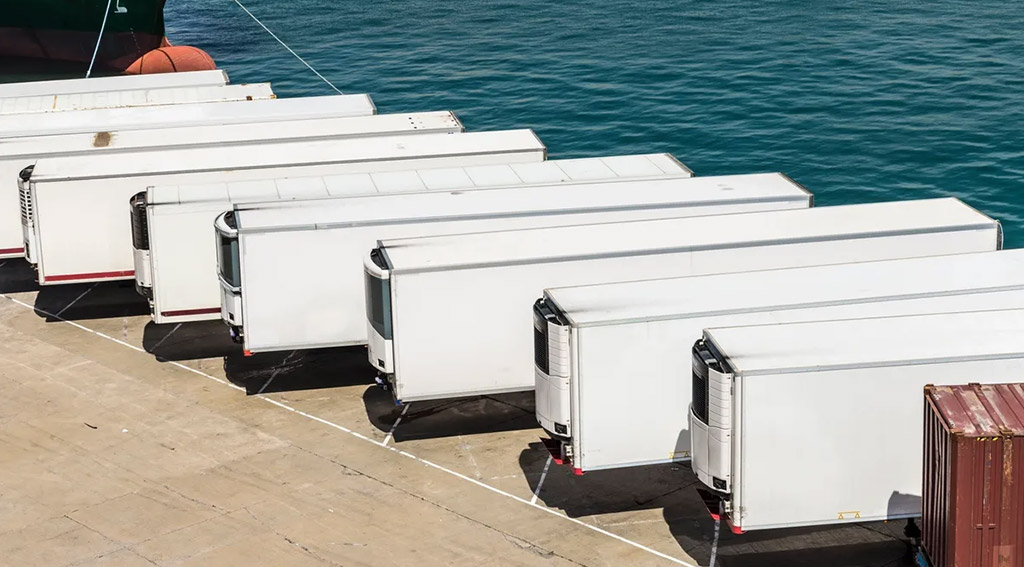
The first major challenge is the interruption of temperature control. Cold chain logistics uses refrigerated vehicles and warehouses to ensure that products are transported at a certain temperature. However, it is important that these temperatures are accurately monitored and maintained during transport. Especially in long-distance transports, failures can occur in the cooling systems of vehicles, which can lead to spoilage of products. In addition, inadequate monitoring systems along the cold chain can lead to difficulties in detecting temperature changes.
Another important challenge is the lack of infrastructure required for cold chain logistics. Cold chain transport requires not only refrigeration equipment, but also the appropriate infrastructure for the proper functioning of this equipment. Especially in developing regions, the number of cold storage facilities and transport vehicles may be limited. This can lead to disruptions in logistics processes and prevent the safe transport of products. Infrastructure deficiencies can lead to inefficient logistics operations, increased costs and deteriorating product quality.
Another challenge in cold chain logistics is costs. Due to temperature-controlled transport, specialised equipment and high energy requirements, cold chain logistics can be quite expensive. Maintenance costs of refrigeration systems, fuel consumption of transport vehicles and energy consumption of cold storages can reduce the profit margins of businesses. In addition, specially trained personnel and monitoring systems required for cold chain transport also create additional costs. Therefore, it is crucial for logistics companies to optimise these costs and increase their efficiency.
Another challenge is ensuring the safety of products during cold chain transport. Cold chain transport requires not only temperature control, but also the physical safety of the products. Especially in food transport, it is critical that products are transported under the right conditions, hygienic environments are provided and there is no risk of contamination during transport. These safety measures must be carefully managed to avoid losses due to accidents or product damage during transport.
Finally, one of the biggest challenges with cold chain logistics is the complexity of the supply chain. Cold chain transport is a process that consists of multiple stages and requires the co-operation of various actors. Accurate temperature control must be ensured at every stage from production, storage, transport and distribution. Any disruption in this process can lead to the entire chain being affected. Coordination of actors in the supply chain, accurate information sharing and efficient communication are critical factors for the success of cold chain logistics.
As a result, cold chain logistics faces significant challenges such as temperature-controlled transport and the right infrastructure requirements. These challenges can lead to increased costs, product spoilage and disruption of logistics processes. However, with the right technologies, effective temperature monitoring systems and efficient supply chain management, these challenges can be overcome and cold chain logistics can be made more efficient.